


2026 International Women’s Day – Rights, Justice, Action: Celebrating the Women at IPH – Sarah Barclay
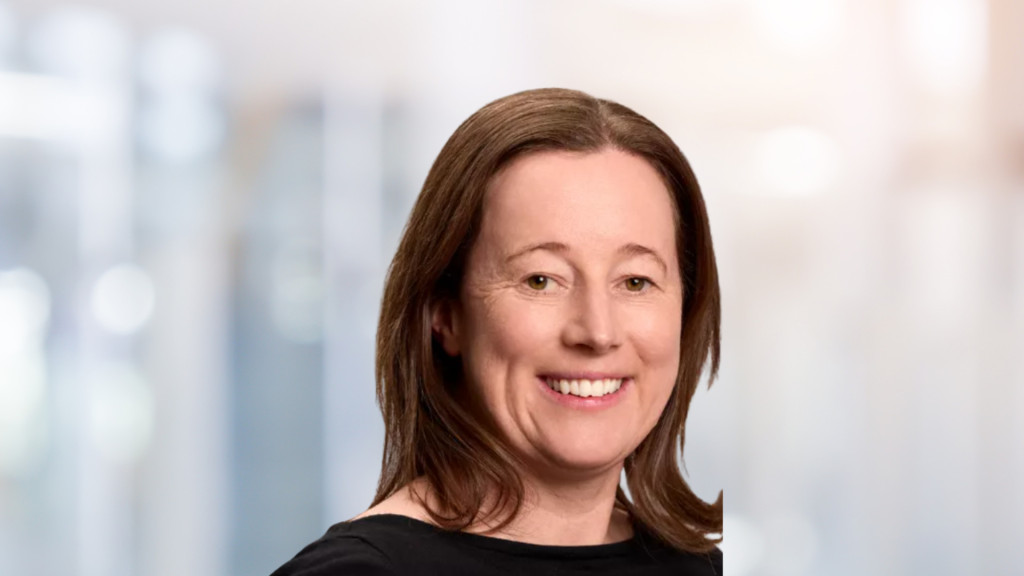
“My proudest achievement isn’t a single project – it’s seeing the people I’ve trained and mentored grow into confident, successful professionals.” – Sarah Barclay
For this year’s International Women’s Day, IPHQ News spoke with three female leaders from across IPH member firms about their career journeys, what drew them to IP, their pro bono and volunteering work as well as their advice for young women entering the profession. Across all these conversations, common themes emerged – mentorship, leadership, access and equality, and the power of volunteering. We are inspired by, and privileged to share, the insights of these remarkable women, their passions for IP, and the ways they have supported their clients, teams and communities along the way.
Sarah Barclay – Principal (AJ Park)
What made you choose a career in IP, and what’s your favourite part of the job?
I first became interested in IP when I was 13. When my family moved to Wellington, a classmate told me her dad was a trademark partner at AJ Park and explained how patent attorneys combine science and law. I remember thinking it sounded like the perfect career for someone who loved both – maths, physics and biology as well as art, classics and history.
I later studied engineering at the University of Auckland because I loved maths and was encouraged to pursue a field that really needed more women. After working as an engineer for a few years, I saw a job ad looking for engineers interested in retraining as patent attorneys. My twin sister reminded me that this had been my dream since I was 13, and suddenly everything clicked.
What still excites me most about the job is working at the intersection of creativity, engineering and law, and helping protect ideas that can make a real difference in the world.
What is your proudest work achievement?
My proudest achievement isn’t a single project – it’s seeing the people I’ve trained and mentored grow into confident, successful professionals.
I’ve been involved in leading professional development across AJ Park, IPH and the wider profession, and watching people I’ve supported over the years step into leadership roles and build successful careers is incredibly rewarding. Their success feels like the real highlight of my career.
You volunteered for Zonta International for many years. Can you tell us more about the organization, the work you’re involved in, and what motivated you to volunteer with them?
I grew up in a family where service to the community was normal – my grandfather was very involved in Rotary—so volunteering has always been part of my life. Early in my career I was looking for a community of women in engineering, and that’s how I found Zonta International – an international service organisation whose mission is to build a better world for women and girls.
I loved that it brought together professional women from many different backgrounds who share a commitment to improving the lives of women and girls. Their biennial award for women in STEM particularly resonated with me.
Zonta has also been hugely influential in my own development. They recognised potential in me before I did and gave me leadership roles and support at a time when I didn’t see many senior women leaders in my own field. Being surrounded by women leading in many different ways helped me realise there isn’t just one leadership style – and I saw that there are real leadership opportunities for women.
Overall, I volunteer with Zonta because their service and advocacy work align strongly with my values, and because they create a space where women can grow, lead and support one another.
What would your advice be for young women entering the IP profession, especially those aspiring to leadership?
If I’m honest, my advice to young women is the same as my advice to young men. Because of the nature of our work, the first step is to build strong technical skills – become someone whose work people can trust. But leadership in IP also requires sound judgement, clear communication and the ability to connect complex ideas to real-world problems, so it’s important to develop those skills too.
Don’t wait until you feel “ready” to lead. Put your hand up for opportunities early. One of the best things I did was take on leadership roles in a volunteer organisation (Zonta). It’s a safe place to learn – and in many ways leading volunteers is harder than leading at work. You can’t rely on authority; you have to inspire people. Those skills translate directly into professional leadership.
Finally, remember there’s no single way to be a leader. Twenty years ago, I never imagined I’d be in the roles I’m in now. Leadership can look different for everyone, and over time you can shape a style that fits who you are rather than who you think you’re supposed to be.
Sign up to our free newsletter to stay informed, connected and inspired by all things IP.

Featuring