


2026 International Women’s Day – Rights, Justice, Action: Celebrating the Women at IPH – Camille Aubin

“My biggest piece of advice is to meet and talk to as many people as you can. Leadership—much like advocacy in litigation—comes in many different styles, and the best way to find your own is to learn from others.” – Camille Aubin
For this year’s International Women’s Day, IPHQ News spoke with three female leaders from across IPH member firms about their career journeys, what drew them to IP, their pro bono and volunteering work as well as their advice for young women entering the profession. Across all these conversations, common themes emerged – mentorship, leadership, access and equality, and the power of volunteering. We are inspired by, and privileged to share, the insights of these remarkable women, their passions for IP, and the ways they have supported their clients, teams and communities along the way.
Camille Aubin – Practice Group Leader of Litigation Group (ROBIC)
What made you choose a career in IP, and what’s your favourite part of the job?
I’ve always been curious to learn and drawn to both the sciences and the arts. Growing up, I devoured anything I could read—scientific publications, political essays, art history, contemporary fiction—and I loved the idea of a career that would combine all these things. IP turned out to be the perfect fit.
Working with patents and designs lets me dive into scientific and technical innovation, while trade marks and copyright bring me into contact with creativity, branding and artistic expression. Every day I get to work with clever, imaginative people across so many fields, and I’m constantly learning something new.
One of my arts teachers for when I was a student, who also ran a contemporary art gallery, once said she loved her job because there was always something new to discover. By the very nature of contemporary art, she would always see different types of work, never get tired of it, or never feel like she’s seen it all. It stayed with me because that’s exactly what I like to have in my life. Years later I realised that’s why I am passionate about IP. The variety, the creativity and the constant learning are my favourite parts of the job.
What is your proudest work achievement?
My proudest achievement is the team we’ve built. ROBIC has long been known for its litigation practice, but the group we have today is one we’ve intentionally shaped over the past decade—largely with very young lawyers. Our team is by far the youngest IP litigation group in Canada in terms of years since admission to the bar, and what some might see as a disadvantage has become one of our greatest strengths. They’re very motivated, eager to learn and incredibly open to new ideas.
What makes me most proud, though, is the culture we’ve created. We’ve built a team that pairs high performance with genuine humanity. Our standards are exceptionally high, but never at the expense of the people doing the work. In fact, our closeness, openness and willingness to embrace each person’s differences have made us stronger. We step up for each other, and the result is performance beyond anything we could have imagined.
That combination—excellence and empathy—is what I’m proudest of.
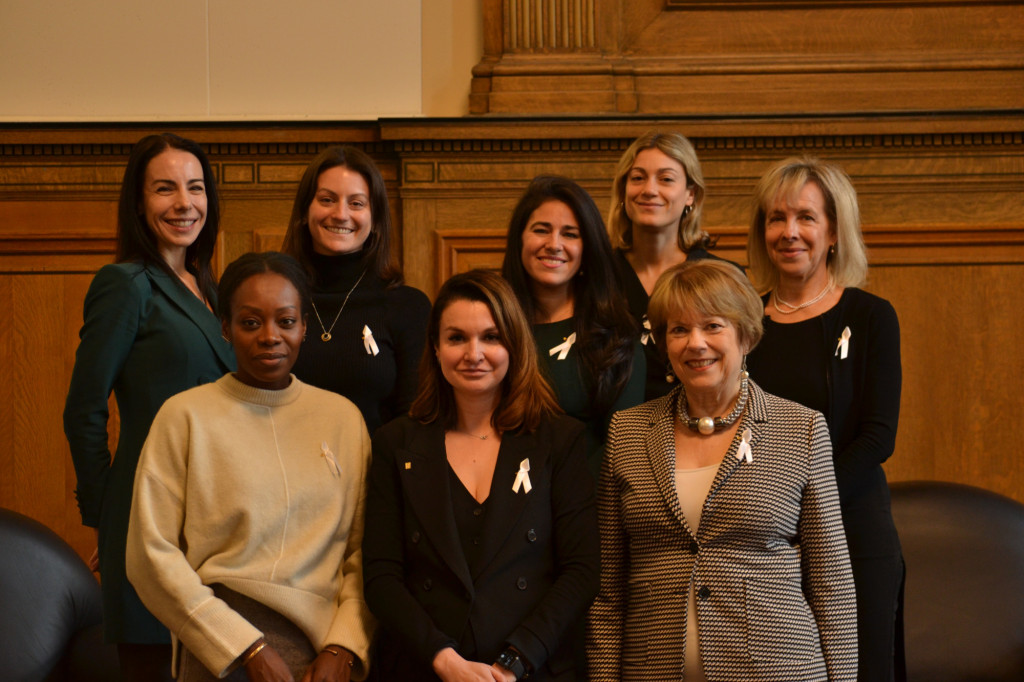
You co-chaired the Equity, Diversity and Inclusion Committee of the Bar of Montreal. Can you please tell us more about this role and some of the initiatives you were involved in?
The Bar of Montreal is one of the largest in Canada, and a few years ago it created its Equity, Diversity and Inclusion Committee. I co‑chaired the committee from its inception, helping to shape its early direction and initiatives. One of the projects I’m most proud of was developing a practical guide for law firms on improving the retention of women in private practice.
Like many bars across North America, Montreal faces significant challenges in retaining women lawyers—particularly around the five‑year mark. It’s a loss for firms, for the profession, and for the public, who benefit from a legal community that reflects their diversity and experiences.
Our guide helped law firms identify the practices that disproportionately affect women and offered concrete recommendations to address them to increase the retention of women in the profession. We then hosted a full‑day event featuring panels of women sharing their experiences—what supported them, what pushed them away, and what best practices genuinely make a difference. The day sparked thoughtful conversations, honest storytelling and practical insights that helped firms create more inclusive and supportive workplaces.
It was meaningful work, both personally and professionally, and a reminder of how much positive change is possible when an entire profession commits to equity and inclusion for women.
This year’s IWD theme is Rights, Justice, Action for all women and girls. For women founders, creatives or innovators, where do you see the biggest barriers to accessing IP protection?
One of the biggest barriers for women founders, creatives and innovators is funding. We know there’s still a significant gap in the number of women inventors listed on patents and in the number of women-led start‑ups. If we want to genuinely support women’s innovation, we need to show that we value their ideas and ensure they have the resources to protect and grow them.
Funding is only part of the picture, though—access to expertise and networks is just as critical. A great example is EVOL in Québec, which supports women and diversity‑led businesses. They not only provide financial support but also give founders access to a pool of experts in areas like IP, accounting, operations and import/export. That kind of ecosystem matters. A strong network can make or break an early‑stage company, and historically women haven’t always had the same access to those connections.
What would your advice be for young women entering the IP profession, especially those aspiring to leadership?
My biggest piece of advice is to meet and talk to as many people as you can. Leadership—much like advocacy in litigation—comes in many different styles, and the best way to find your own is to learn from others. Hearing people’s stories helps you see what resonates with you, what doesn’t, and how others have navigated the same challenges you’re facing.
Surrounding yourself with people who’ve been through similar situations also makes it easier to see solutions and possibilities you might not have considered on your own. There’s no such thing as a wasted conversation.
And don’t hesitate to reach out to people you admire. The worst response you’ll get is a “no,” but you’ll be surprised how often the answer is “yes” to a coffee or a chat. Most people are genuinely happy to pay it forward. In my experience, every time I’ve reached out—or someone has reached out to me—it’s led to positive conversations, and often to long‑term mentoring relationships where we both learn from each other.
So be curious, be brave, and start building those connections early. They’ll shape your development more than you expect.
Sign up to our free newsletter to stay informed, connected and inspired by all things IP.

Featuring